Maya
Okafor
Stoneware — Brooklyn, New York
Each vessel carries the pressure of thumbprints and the silence of a twelve-hour firing cycle.
The Material
Investigation
Every piece starts here. Toggle between clay bodies to understand what the earth brings before the hands begin.
Iron-Rich Stoneware
Coarse, volcanic memory in every surface
The body I return to most. Fires to a dense, resonant grey-brown that shows every thumb mark. The grog gives it structural memory — you can feel where the clay wanted to move.
Origin
Catskill basin, NY
Grog
20% medium grog
Firing
Cone 10 (2381°F)
Shrinkage
11.5%
Click to fire.
These are real recipes from the studio archive. Each field shows the glaze before and after the twelve-hour cycle. Click any field to fire it.
Iron Tenmoku
Fe₂O₃ 8%, Silica 35%, Feldspar 40%
Breaks amber at rims and edges where glaze thins. Pooling creates depth like dark water.
Unfired — ochre slip
Pale Celadon
Fe₂O₃ 1.5%, TiO₂ 0.5%, Silica 30%
Fires to a translucent grey-green in reduction. Pools in carved lines like celadon on Song dynasty porcelain.
Unfired — pale green slip
Carbon Shino
Nepheline Syenite 80%, Spodumene 15%
Crawls and blisters at full thickness. Carbon trapping creates smoke marks that record the flame path.
Unfired — thick white slip
Studio Violet
MnO₂ 4%, CoO 0.5%, Fe₂O₃ 2%
My signature. Fires to the exact color of a kiln element at peak temperature. Gallery curators ask about it first.
Unfired — manganese purple
Full chemistry sheets, firing schedules, and temperature curves for all studio glazes are included in the Glaze Archive PDF. These are not approximations — they are the actual recipes in current studio rotation.
The Finished
Object
Work available for acquisition by galleries, designers, and direct collectors. Each piece is unique.
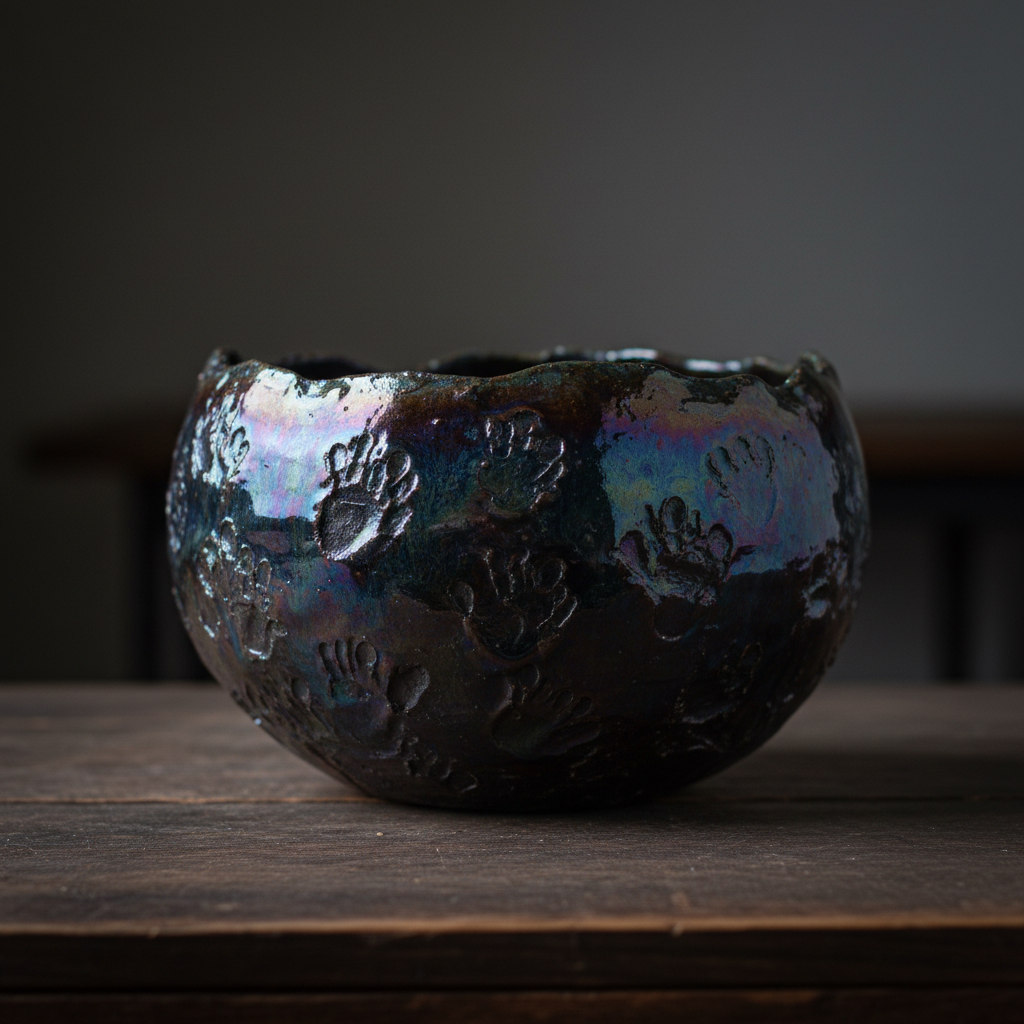
Vessel No. 47
AvailableIron-rich stoneware, tenmoku glaze
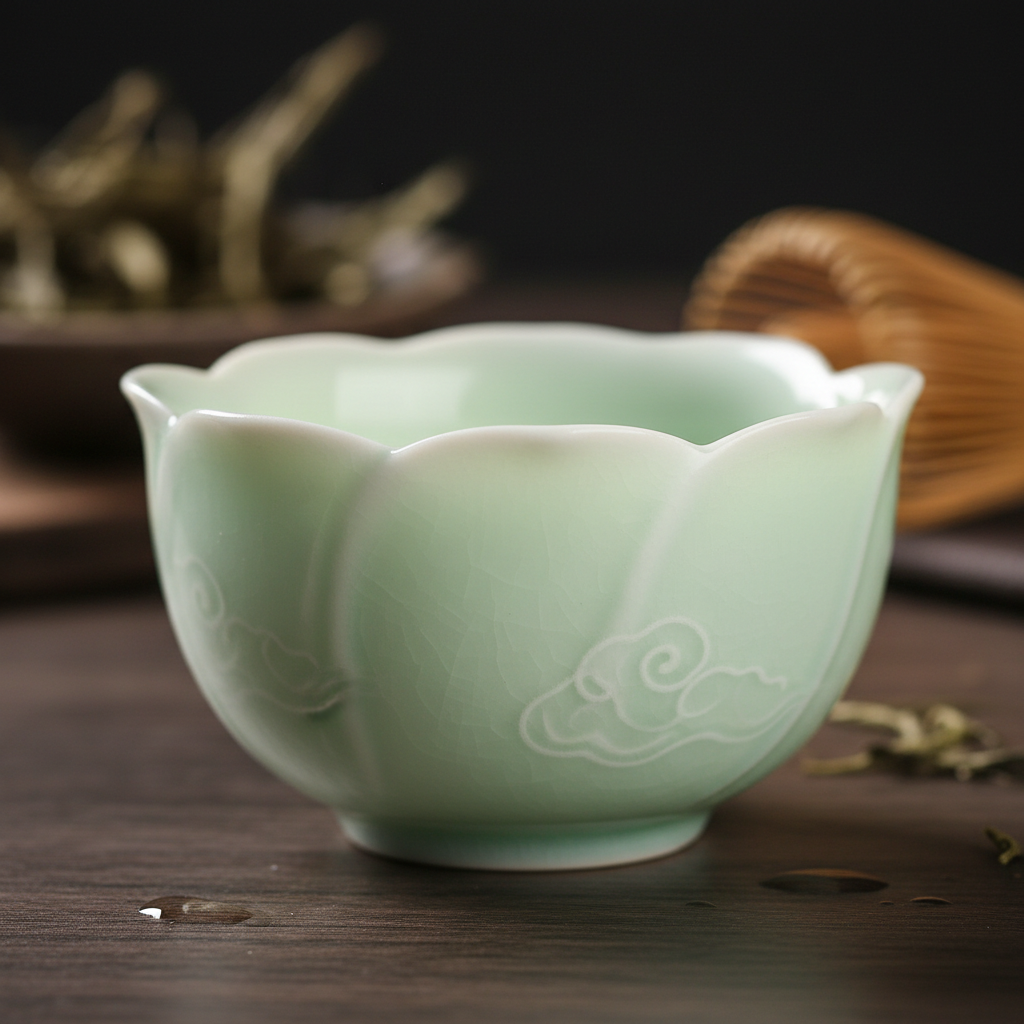
Cup Study #12
SoldPorcelain, pale celadon
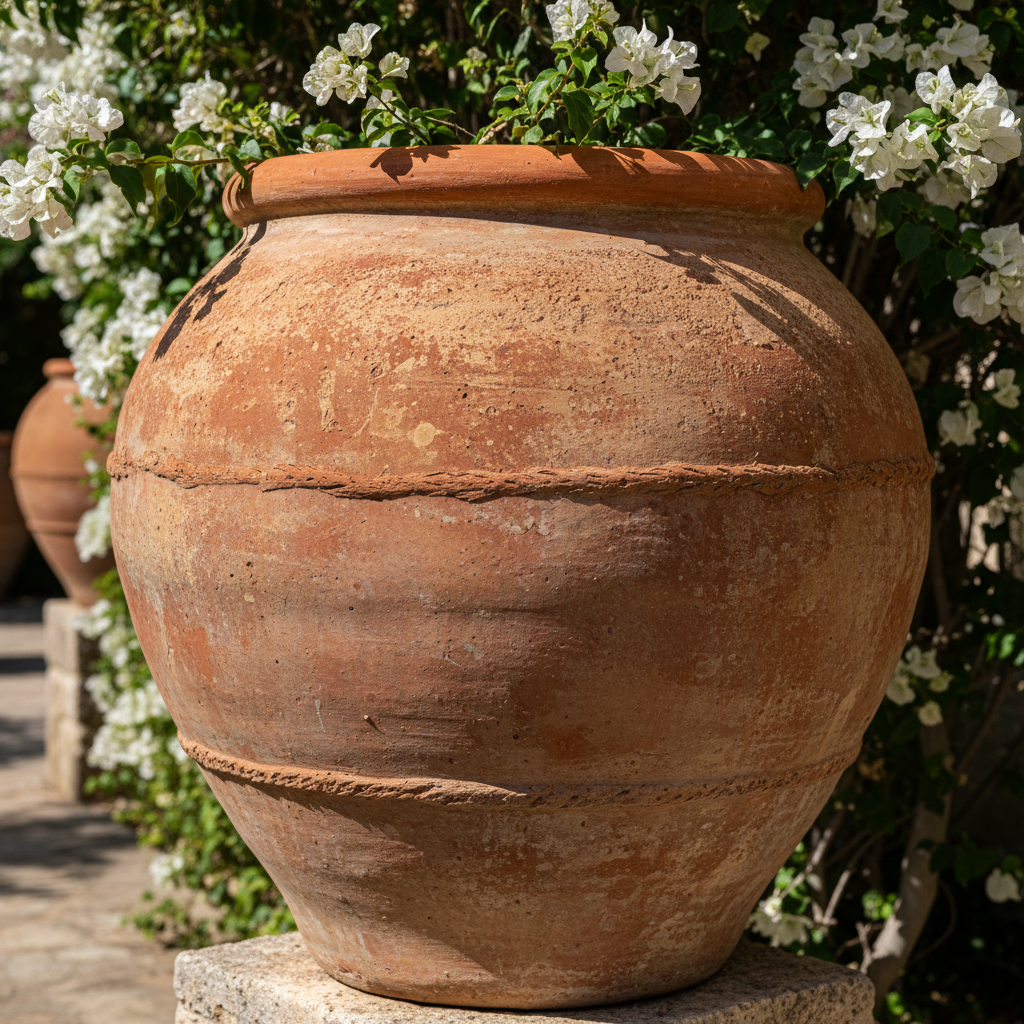
Planter Form I
CommissionTerra Rossa, unglazed exterior
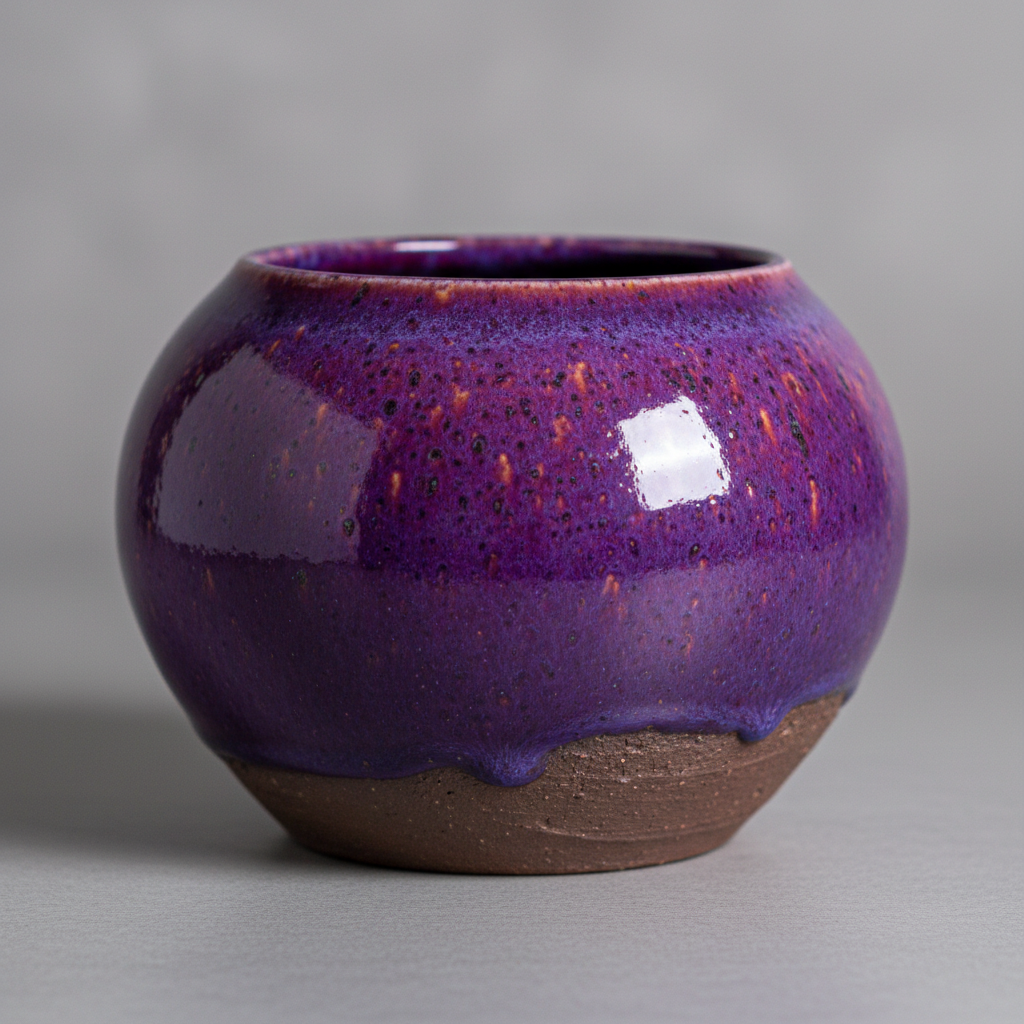
Vessel No. 52
AvailableManganese speckle, studio violet glaze
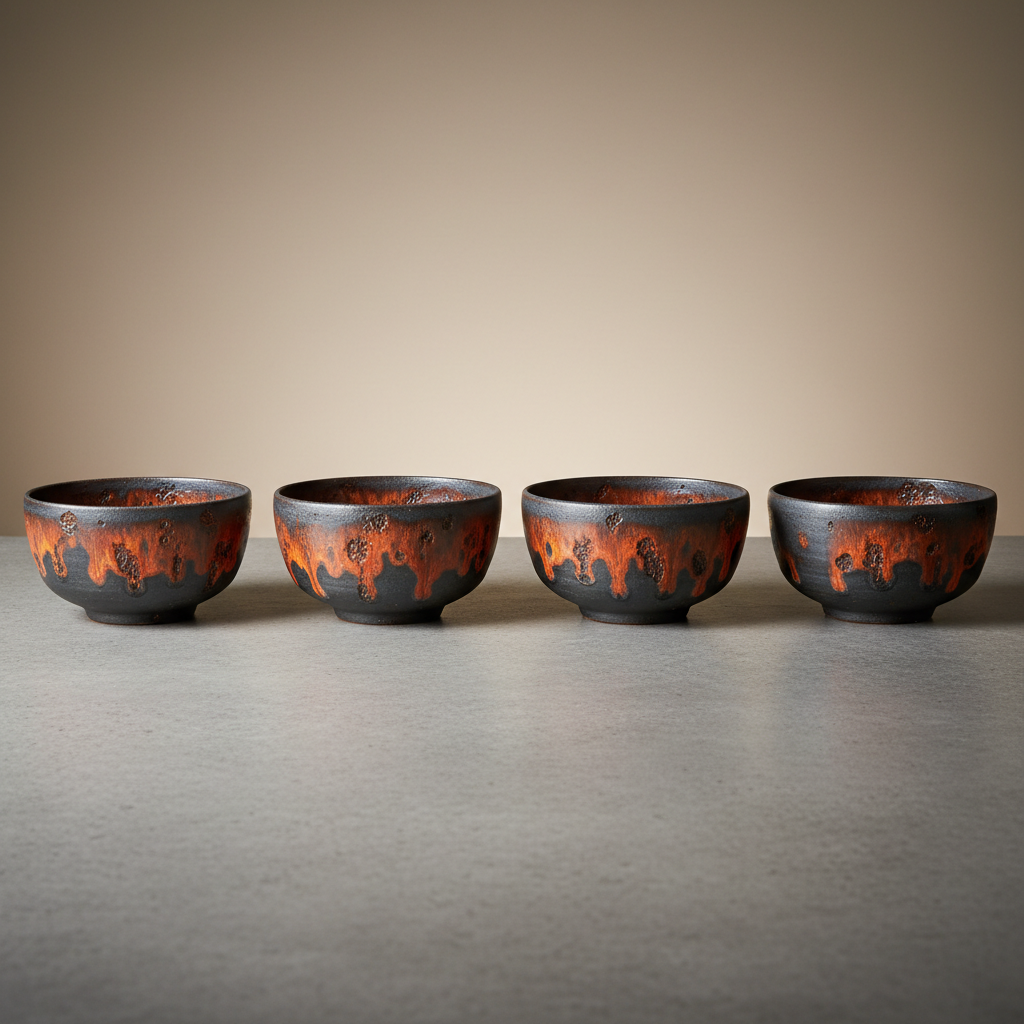
Bowl Series, Set of 4
AvailableCarbon shino, reduction fired
The Glaze
Archive
Forty-three glaze recipes in current studio rotation. Not approximations — the actual formulas, measured in grams per 100g dry weight, with firing schedules and temperature curves for each.
This is not a lead magnet. It is a document I use every week. Sharing it is how I find the people who understand that ceramics is chemistry as much as craft.